














Sasang Constitutional Insight:
Why Soeumin Are More Prone to Digestive Weakness
By David Lee, L.Ac.
Gastroparesis is a disorder in which the stomach empties food into the small intestine abnormally slowly. This delayed motility causes nausea, vomiting, bloating, abdominal pain, early satiety, heartburn, and weight fluctuation. Causes may include diabetes, viral infections, certain medications, neurological disorders, or autoimmune disease, but in many patients the cause remains idiopathic. Because gastroparesis often becomes chronic, treatment focuses on long-term symptom management through diet modification, prokinetic drugs, or, in severe cases, surgery.
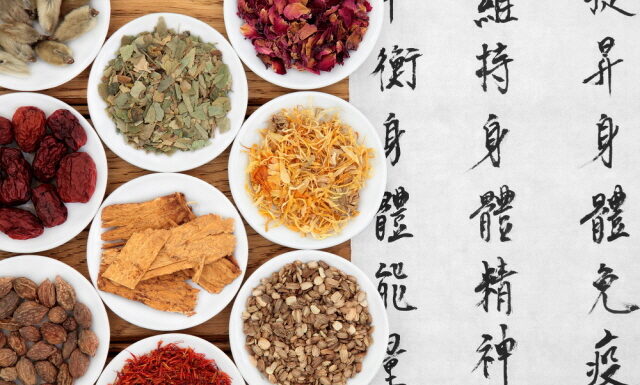
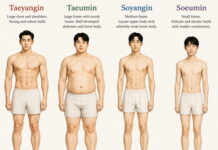
From the viewpoint of East Asian medicine, gastroparesis appears more frequently in Soeumin (Lesser Yin) individuals, whose constitution is characterized by weak digestive function and sensitivity to emotional stress. In Sasang Constitutional Medicine, each body type requires a tailored therapeutic strategy. For Soeumin patients, the herbal formula Xiang Sha Liu Jun Zi Tang (香砂六君子湯) is considered the most effective. It contains herbs such as Xiang Fu, Bai Zhu, Ban Xia, Chen Pi, Hou Po, Sha Ren, Yi Zhi Ren, and Ren Shen, which strengthen the spleen and stomach, regulate Qi, dispel dampness, and relieve nausea. Clinically, this combination improves gastric emptying and reduces gastrointestinal stagnation.
By contrast, Soyangin and Taeeumin constitutions show different pathophysiological patterns. Soyangin types, with warmer digestion and outward energy, respond better to Jing Fang Di Huang Tang (荊防地黃湯), which nourishes yin while clearing heat. Taeeumin, who tend to retain dampness and internal heat, benefit from Tai Yin Tiao Wei Tang (太陰調胃湯), designed to harmonize the spleen, reduce phlegm, and restore proper stomach movement. These distinctions reflect the Sasang principle that effective treatment must match the patient’s constitutional nature rather than merely the disease name.
Although acupuncture is often considered secondary to herbal therapy, it has proven immediate and reliable in controlling nausea, vomiting, and abdominal pain. When applied according to elemental order and constitutional balance, acupuncture acts as a regulatory mechanism that restores homeostasis. Combining acupuncture with herbal formulas achieves both short-term symptom relief and long-term stability.
Case 1: A 25-year-old female diagnosed with gastroparesis two months earlier but symptomatic for two years reported severe nausea, vomiting, bloating, and anxiety. Acupuncture was applied to left-sided Yang Horary points in Metal Order—ST36, SI5, GB41, UB66, and LI1—while prescribing Xiang Sha Liu Jun Zi Tang. The patient’s constitutional diagnosis was Soeumin, with related profiles of Vata (Ayurveda) and Phlegmatic (Unani). Over twelve weeks and eighteen sessions, symptoms improved by more than 90%, with steady digestion and emotional balance.
Case 2: A 28-year-old female with gastroparesis for nine years and fibromyalgia for six years experienced severe nausea and pain, leading to frequent emergency visits. Treatment involved left-sided Yin Horary points in Wood Order—LR1, HT8, SP3, LU8, and KD10. Remarkable improvement occurred after the first session, her best condition in three years. Continued twice-weekly sessions reduced symptom frequency, and emergency visits became rare.
Case 3: A 58-year-old female with multiple chronic conditions, including asthma, depression, headache, and gastroparesis, received acupuncture at right-sided Yang Horary points in Wood Order—GB44, SI2, ST43, LI5, and UB40. Her herbal prescription was Jing Fang Du Chi San (荊防獨活散), appropriate for the Soyangin constitution. After eleven treatments in six weeks, she achieved around 50% improvement, with immediate relief during asthma attacks and gradual overall stabilization.
These clinical cases illustrate that integrative constitutional therapy—combining acupuncture and individualized herbal medicine—can effectively manage chronic gastroparesis. In particular, Soeumin patients respond favorably to Xiang Sha Liu Jun Zi Tang and constitutional acupuncture sequences, achieving both digestive and emotional balance. Acupuncture offers prompt symptom control, while herbal medicine restores long-term internal harmony. Together, they enhance gastric motility, reduce discomfort, and promote systemic equilibrium. This holistic, constitution-based approach represents a promising model for treating gastroparesis and related disorders where mind and body are deeply interconnected.