











A Clinical Approach: Hand, Arm, Shoulder, and Neck with Wan Shun Points and GB41
By Wookyung Lee, L.Ac.
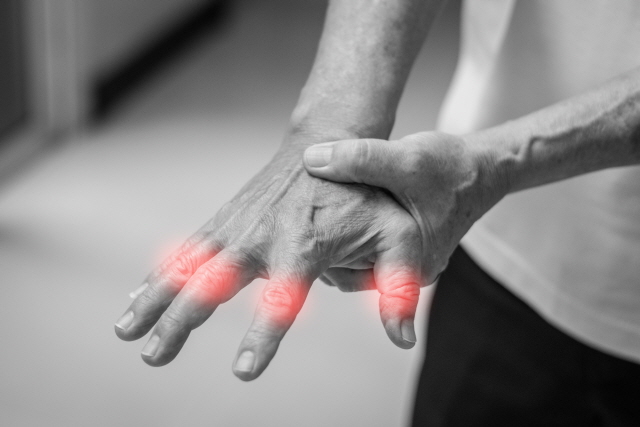
Finger and wrist pain is a common complaint in clinical practice, yet it is often more difficult to treat than other musculoskeletal conditions. Many cases do not respond well to local treatment alone. In this column, we explore effective strategies using Tung’s acupuncture, focusing on points that influence not only the hand but also the entire upper limb.
A key clinical insight is that hand symptoms are frequently related to dysfunction in the cervical spine, shoulder, or meridian pathways. Therefore, treatment should address both local and systemic factors.
Hand and Wrist Pain
For aching or numbness in the wrist and lateral hand, the combination of 77.22, 77.23, TE5, and 77.18 is highly effective. Patients often show immediate improvement in mobility after treatment.
LU5 bloodletting can be broadly applied to most hand and wrist conditions, especially when heat or stagnation is present.
Point 11.27 is useful for tenosynovitis of the thumb, particularly when pain is aggravated by radial movement.
The combination of 22.08, 22.09, and GB41 has a wide therapeutic range, influencing the wrist, arm, shoulder, and neck. It is especially effective for generalized pain or weakness.
Finger Pain and Numbness
Finger numbness and pain often respond well to 77.18 and 66.11. In mild cases, these two points alone may be sufficient. These symptoms are commonly associated with cervical disorders, hyperlipidemia, or hypertension.
For more severe cases, bloodletting at DT05 or the use of GB31 can enhance outcomes.
66.11 is particularly effective for hypertension, restricted neck movement, dizziness, and frontal headache, in addition to hand numbness.
If symptoms are caused by structural issues such as cervical osteophytes, points such as GV26, SI3, and BL65 should be considered.
Clinical Significance of Key Points
Points 77.22 and 77.23 have a broad range of indications, from the fingers and wrist to the shoulder and temporal region.
Points 77.05–77.07 are effective for radiating pain from the shoulder to the hand, especially when symptoms interfere with sleep.
Points 66.06 and 66.07 are particularly useful for numbness of the third and fourth fingers.
For systemic numbness or neuropathic symptoms, combining GB31, 66.11, and 66.06 is recommended.
Special Applications
When patients are unable to grasp objects due to finger pain, the combination of 77.22, 77.23, 22.01, 22.02, and 77.18 can restore function effectively.
For finger spasms or cramping, points such as 66.12, TE5, BL57 (contralateral), and LU5 bloodletting can be used.
In cases of severe contracture, 22.01, 22.02, and 77.18 are particularly effective. Reducing technique on 33.16 may further enhance results.
Clinical Insight
Hand disorders are rarely isolated. Many originate from proximal dysfunction, especially in the cervical region. Combining distal Tung’s points with meridian-based reasoning allows for faster and more effective outcomes.
Among these, 77.18 is one of the most essential points, particularly for morning stiffness, finger numbness, and difficulty extending the fing.