


















How liver heat in Taeeumin relates to metabolic syndrome and chronic inflammation
By Namwook Cho L.Ac.
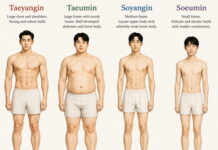
In the previous article, we examined the exterior disease pattern of Taeeumin, which mainly presents with cold symptoms in the epigastric region and lung system. In contrast, the interior disease pattern is characterized by heat accumulation, often appearing as constipation and systemic heat sensations. From a modern biomedical perspective, Taeeumin individuals tend to store energy rather than rapidly burn it, a metabolic tendency that may contribute to internal heat sensations, chest tightness, sympathetic nervous system activation, and eventually chronic stress responses and elevated blood pressure.
Metabolic Syndrome and the Taeeumin Constitution
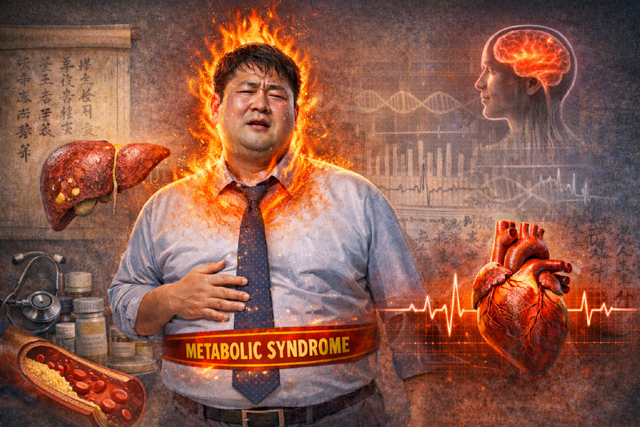
Research on constitutional types and metabolic disorders shows that Taeeumin individuals have a higher prevalence of abdominal obesity, type 2 diabetes, hypertension, and dyslipidemia compared with other constitutions.
This tendency likely reflects the interaction between the strong absorptive metabolic capacity of Taeeumin and modern overnutrition. Excess calories often accumulate as visceral fat, while the internal heat pattern described in Sasang medicine parallels insulin resistance and chronic inflammation. Laboratory findings frequently show elevated triglycerides and reduced HDL cholesterol.
Liver Heat and Digestive Disorders
Liver and digestive disorders are closely related to the interior condition known as Liver Heat Syndrome. Many Taeeumin patients present with elevated liver enzymes such as AST and ALT, and ultrasound examinations often reveal fatty liver changes.
As a result, nonalcoholic fatty liver disease is commonly observed in this constitution, and internal heat may also rise upward, producing symptoms such as gastroesophageal reflux.
Cardiovascular and Inflammatory Conditions
When hypertension and obesity coexist in Taeeumin patients, the risk of atherosclerosis and angina increases significantly. The dryness-heat pattern may also aggravate inflammatory skin diseases such as atopic dermatitis and psoriasis.
Clinical Progression of Taeeumin Interior Disease
The early stage of Liver Heat Disease presents feverish sensations, facial and extremity redness, sweating, eye discomfort, and restlessness. Galgeun Haegi Tang is commonly used at this stage.
As liver heat intensifies, symptoms such as constipation, abdominal fullness, intense thirst, excessive sweating, and agitation may appear. Galgeun Seunggi Tang is typically prescribed.
Further progression may lead to inflammatory lesions such as carbuncles or abscesses in the head and neck region. Jogak Daehuang Tang is used in this stage.
If the condition worsens, it may develop into Liver Heat with Lung Dryness Disease, characterized by excessive urination, persistent thirst, dryness of the skin, hair, and nails, and progressive fatigue due to fluid depletion. Yeoldahanso Tang is commonly used, while Cheongpesa Gan Tang may be considered when constipation predominates.
As emotional instability increases, patients may develop palpitations, insomnia, and anxiety. Cheongsimyeonja Tang is commonly used at this stage. When insomnia and dryness symptoms are prominent it tends to be more effective, whereas Yeoldahanso Tang may be preferred when constipation and strong heat symptoms predominate.
Final Stage: Severe Dryness-Heat Syndrome
In the final stage, prolonged internal heat leads to severe depletion of Yin and Blood. Patients may experience declining vision and hearing, weakness of the lower body, lower back pain, and severe dryness of the skin, hair, and nails, often accompanied by muscle wasting.
Gongjin Heukwon Dan is traditionally used for this advanced stage.
Overall, the interior disease pattern of Taeeumin progresses from liver heat to systemic dryness and fluid depletion. Many of these mechanisms parallel modern conditions such as metabolic syndrome, fatty liver disease, chronic inflammation, and cardiovascular disorders, helping bridge Sasang constitutional medicine with modern biomedical understanding.