

















VA Adopts It as Standard Care, Leaving Acupuncturists at Risk
Namwook Cho, L.Ac.
As the new year begins, dry needling is now legal in 40 states, with only California, Hawaii, and New York still prohibiting it. Oregon’s shift signals continued scope-of-practice conflicts ahead.
The VA already recognizes dry needling as standard care, expanding PT authority and raising concerns about the acupuncture profession’s slow response.
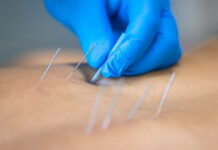
As the new year begins, the nationwide shift toward legalizing dry needling has accelerated, with 40 states now allowing physical therapists to perform the procedure. Only three states—California, Hawaii, and New York—continue to prohibit it. Oregon’s recent decision to approve dry needling marks a significant change, especially since it was previously among the states opposed to granting physical therapists this authority. The trend suggests that scope-of-practice conflicts between physical therapists and acupuncturists will intensify throughout the year.
While these state-level changes continue to unfold, the federal government has already taken a definitive stance. The U.S. Department of Veterans Affairs (VA) formally recognizes dry needling as a standard procedure within the physical therapy scope of practice. Under the VA’s qualification standards, dry needling is categorized as a “specialized procedure,” enabling physical therapists in VA facilities nationwide to perform it regardless of individual state laws. As a result, dry needling is now widely used in VA hospitals for chronic pain management, primary care, emergency settings, and rehabilitation.
This federal endorsement has effectively strengthened physical therapists’ position and raised concerns within the acupuncture profession. Many acupuncturists, particularly in states like California where regulation remains restrictive, are being urged to reassess their advocacy strategies. Critics within the field argue that the acupuncture profession’s response has been too slow, allowing physical therapists to gain ground in regulatory and clinical arenas.
With the new year highlighting both expanding legalization and federal acceptance of dry needling, the need for a coordinated and proactive response from the acupuncture community is becoming increasingly urgent.