










Acts and Diagnosis
Huanglian-Jiedu-Tang clears heat, purges fire, dries dampness, and resolves toxicity in patterns of excessive heat in the triple energizer. It is commonly used for symptoms such as fever, irritability, skin eruptions, pruritus, carbuncles, nosebleeds, hematemesis, metrorrhagia, and hematuria.
“Flourishing heat in the triple energizer” refers to pathological overheating during the processes of digestion, absorption, and qi transformation. Clinically, this may present as persistent fever after external infection, skin inflammation associated with excessive intake of greasy foods, or hemoptysis related to alcohol overconsumption. It also includes conditions such as nosebleeds, metrorrhagia, gastritis, abdominal pain, insomnia, and neuropsychiatric symptoms caused by excessive internal heat.
In this formula, Huanglian acts as the monarch herb, clearing heat, drying dampness, purging fire, and resolving toxicity, thereby addressing fever, irritability, eruptions, pruritus, hyperacidity, vomiting, dysentery, carbuncles, and bleeding disorders.
Huangqin has similar actions but is more focused on clearing heat in the upper energizer, especially lung heat, making it effective for cough, nosebleed, dysentery, and heat-type urinary disorders.
Zhizi clears heat, drains fire, cools the blood, and resolves toxicity. It is used for irritability with insomnia, jaundice, sore throat, bleeding disorders, and inflammatory conditions.
Huangbai clears damp-heat in the lower energizer and is indicated for dysentery, jaundice, leucorrhea, urinary difficulty, eczema, and pruritus.
In summary, Huanglian targets the middle energizer, Huangqin the upper, and Huangbai the lower, while Zhizi assists in clearing heat throughout all three burners. Together, these herbs form a strong formula for excess heat patterns.
This prescription is contraindicated in deficiency patterns presenting with weak pulse, pale tongue, or abdominal weakness. It is best suited for excess conditions characterized by redness, heat, agitation, and a relatively strong pulse.
Contents in the Source Text
This formula is traditionally indicated for severe heat conditions such as high fever, restlessness, vomiting, and insomnia, as described in the Wai Tai Mi Yao.
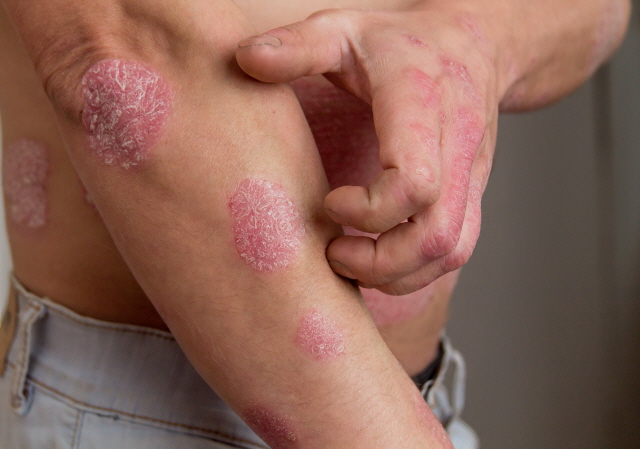
Clinically, it is applied to pruritic skin disorders, acne, atopic dermatitis, seborrheic dermatitis, bleeding disorders, carbuncles, abscesses, hypertension, and melasma in excess heat patterns.
Distinction
- Sanhuang-Xixin-Tang: This formula is indicated when constipation is present due to Dahuang, along with epigastric fullness. If symptoms such as facial flushing, nosebleed, hematemesis, irritability, and anxiety are accompanied by constipation, it is preferred. In contrast, if constipation is absent but there is resistance below the epigastrium, Huanglian-Jiedu-Tang is more appropriate.
- Wenqing-Yin: Both formulas treat bleeding and pruritus, but Wenqing-Yin includes Siwu-Tang and is used in blood deficiency patterns. Patients often present with lower abdominal tension and symptoms that worsen at night.
- Huanglian-Ejiao-Tang: This formula corresponds to a deficiency pattern compared to Huanglian-Jiedu-Tang. Patients typically have a weak pulse with palpitations and may present with bleeding, insomnia, delirium, or skin disorders in a deficient heat pattern.
<Ingredients>
|
Huanglian |
bitter, cold |
黃連 |
4~9g |
|
Huangqin |
bitter, cold |
黃芩 |
|
|
Huangbai |
bitter, cold |
黃柏 |
|
|
Zhizi |
bitter, cold |
梔子 |