














Acupuncture Community: “A Move That Threatens Patient Safety and Undermines the Medical Licensing System”
By Namwook Cho, L.Ac.
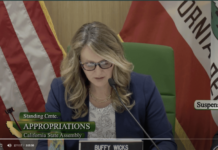
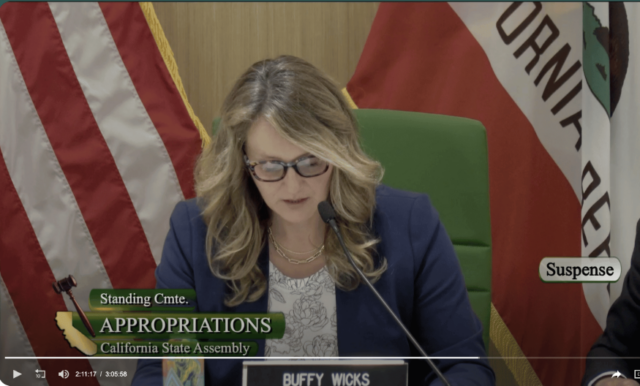
The California Assembly Appropriations Committee voted on May 14 to remove a key provision from AB 2497 that would have authorized physical therapists (PTs) to perform dry needling.
During the hearing at 2:25 p.m., the committee chair officially announced that “AB 2497 was passed as amended to remove the dry needling provision.”
Unified Opposition From the Acupuncture Profession
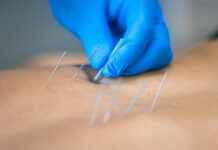
At the center of the controversy was proposed Section 2620.6. AB 2497 was introduced in February by Assemblymember Natasha Johnson (R–63rd District). The newly proposed section sought to include within the scope of physical therapy the use of “electrode needles” and “solid filiform needles” to evaluate, interpret, and treat neuromusculoskeletal conditions through tissue penetration.
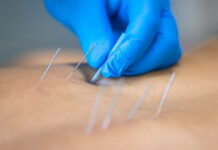
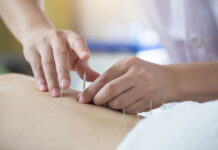
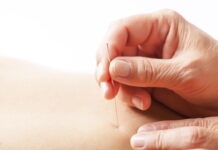
The term “solid filiform needles” refers to the same type of needles used in acupuncture practice, which became a major source of concern within the acupuncture profession.
Although the bill stated that the provision “shall not be interpreted as authorizing the practice of acupuncture,” the acupuncture profession strongly objected, arguing that “the instruments and procedures are essentially identical, with only the terminology changed.” Ultimately, the controversial section was removed from the bill.
Industry representatives described the outcome as “a direct result of the acupuncture profession speaking with one voice.” Acupuncturists who traveled to Sacramento to testify, practitioners who submitted written opposition, and patients and students who signed petitions all contributed to the effort.
The California Acupuncture Coalition (CAC), lobbyist Niccolo De Luca, and the Townsend Public Affairs team were also credited with playing a critical role.
“Not Dry Needling, but Essentially Acupuncture”
The central issue throughout the debate was the legalization of dry needling. Rather than using the term “dry needling,” the bill employed language such as “tissue penetration” and “neuromuscular treatment.”
The acupuncture community argued that these terms effectively described acupuncture treatment under a different name and strongly opposed the measure, eventually succeeding in having the language removed.
In addition to tissue penetration procedures, AB 2497 also includes provisions related to ultrasound use and interpretation, expanded authority for non-opioid pain management, and broader treatment authority without physician supervision.
For many within the acupuncture profession, the issue extended beyond a simple scope-of-practice dispute and raised broader concerns about changes to the overall medical licensing framework.
Bill Continues Forward as Concerns Remain
Although the dry needling provision was removed, AB 2497 itself continues to move through the legislative process. The bill must still pass the Assembly floor vote, Senate committee review, Senate floor vote, and receive the governor’s signature.
Efforts to expand dry needling authority have repeatedly resurfaced in legislative sessions across the country. While many within the profession view this outcome as an important precedent, concerns remain that similar proposals could return in future sessions.
Forty States Already Allow Dry Needling… California Remains a Final Battleground
As of 2026, 40 out of 50 U.S. states have already legalized dry needling by physical therapists. California, Hawaii, and New York are currently the only states where the practice remains prohibited. Oregon also shifted its position in August 2025 to allow dry needling.
The U.S. Department of Veterans Affairs (VA) already recognizes dry needling as a standard physical therapy procedure regardless of individual state laws.
Insurance billing is also considered a major reason physical therapy organizations continue to pursue legalization. In states where dry needling is prohibited, physical therapists cannot use acupuncture-related CPT codes for insurance reimbursement.
The American Physical Therapy Association (APTA) has supported legalization efforts by citing its own report claiming that “86% of the competencies required to perform dry needling are already included in standard physical therapy education and training.”