

















Case Study: Effective Relief for Persistent Blepharitis
By David Lee L.Ac.
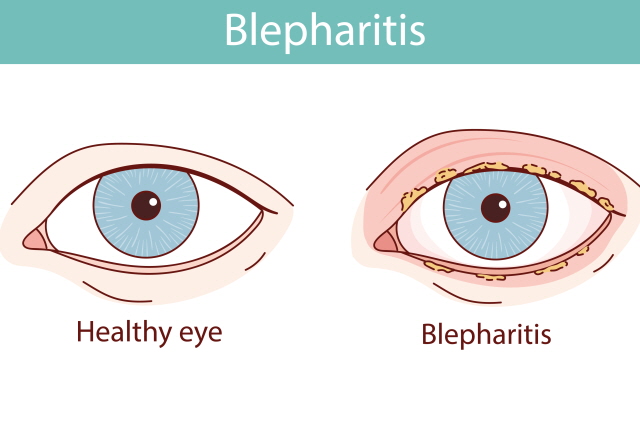
Blepharitis is a relatively common but often frustrating condition that causes inflammation of the eyelids, specifically at the base of the eyelashes. Patients typically describe the sensation as itchy, gritty, stinging, red, and burning. The eyelids often appear swollen and irritated. In many cases, the eyes are watery, with crusty flakes forming at the base of the eyelashes, especially in the morning.
Because blepharitis can become chronic, it often requires ongoing management to keep symptoms under control. For many people, it is a long-term, recurring condition that can be managed effectively but is not typically cured. Unfortunately, even when various causes are addressed, treatment often fails to achieve complete resolution.
Several underlying factors are commonly involved:
- Bacterial Infections: Staphylococcus bacteria are a frequent culprit.
- Skin Conditions: Disorders such as seborrheic dermatitis and rosacea may be associated with blepharitis.
- Demodex Mites: These microscopic mites can infest eyelash follicles and contribute to inflammation.
- Oil Gland Dysfunction: Problems with the meibomian glands can lead to posterior blepharitis, where the inflammation originates from within the eyelid.
Case Study 1: Male, age 19, student
The patient presented with daily inflammation of the left upper eyelid, persisting for 17 months. He had previously undergone treatments aimed at eliminating Demodex mites and managing chalazion, but these efforts brought no significant relief.
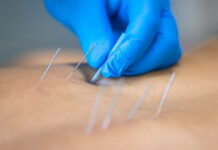
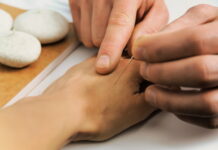
Acupuncture: Treatment was applied to the left side using Yang Horary points in Metal Order – ST36 (Earth), SI5 (Fire), GB41 (Wood), UB66 (Water), and LI1 (Metal) – in combination with Fire points LI5, UB60, and GB38 for his Lesser Yin constitution (Soeumin in Sasang medicine, Vata in Ayurveda, Phlegmatic in Unani, ENFJ in Myers-Briggs typology).
Treatment Plan and Results: Acupuncture was administered once a week for four consecutive weeks. Each session produced noticeable improvement, with symptoms gradually decreasing in intensity, frequency, and duration. The progress was steady and encouraging. Follow-up one year later revealed sustained results — blepharitis symptoms remained at least 95% resolved, with no significant recurrence.
Case Study 2: Female, age 53
This patient presented with persistent daily inflammation of the left eyelid for two years. Over time, her symptoms had worsened, and previous treatments offered only temporary, minimal relief. The condition caused considerable self-consciousness during the day and disrupted her sleep at night due to increased eyelid sensitivity.
Acupuncture: The initial treatment followed the Metal Order protocol (ST36, SI5, GB41, UB66, LI1) but failed to produce meaningful improvement. On her second visit, the approach shifted to Wood Order points on the left side: UB40 (Water), LI5 (Metal), ST43 (Earth), SI2 (Fire), and GB44 (Wood).
Treatment Plan and Results: This adjustment led to an immediate improvement of approximately 20%. The Wood Order protocol was then repeated for seven additional sessions. By the end of the series, her symptoms had improved by roughly 99% in intensity, frequency, and duration. She reported feeling “like herself again” and enjoyed uninterrupted sleep for the first time in years.
Clinical Insight: Even stubborn, chronic blepharitis can respond quickly to well-targeted acupuncture. The critical step is to determine the most effective point order for the individual patient – whether Metal Order or Wood Order – and then to repeat this precise combination consistently until symptoms are almost or entirely resolved. The remarkable stability of improvement over the long term strongly suggests that a lasting cure can be achieved in many cases, offering hope to patients who have exhausted conventional treatment options.