




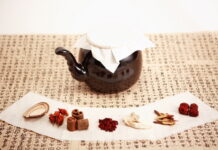
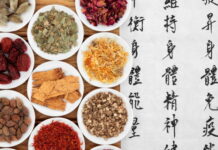




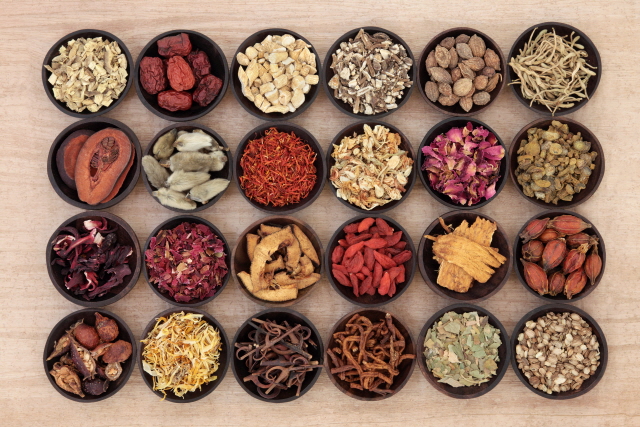
* Ling Gui Gan Tang (苓桂甘湯): Fu Ling, Gui Zhi, Gan Cao (茯苓 桂枝 甘草)
The Ling Gui Gan formula group shares the core symptoms and diagnostic patterns of Ling Gui Gan Tang, and the prescription criteria for related formulas are based on this formula. Practitioners should become familiar with its characteristic clinical signs.
Ling Gui Gan Tang patients typically belong to the Deficient Cold type, similar to Gui Zhi Tang patients. They are often thin rather than obese, with weak stamina, a pale complexion, and a clear aversion to cold.
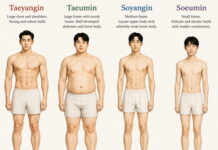
Their personality is generally Yin-natured, although some may appear neutral. When personality alone does not clearly indicate Yin or Yang, body shape can provide clues. Many Ling Gui Gan Tang patients show a Yin-type body structure, where the pelvis is more developed than the shoulders and chest, often appearing pelvic-dominant or long and slender.
Emotionally, these patients often show worry, sensitivity, tension, and anxiety, and they may be overly concerned about their health. When CAPE signs (character, attitude, personality, and emotion) are unclear, physical symptoms should take priority in selecting the appropriate formula.
Main Physical Symptoms
The key symptoms of Ling Gui Gan Tang include aversion to cold, cold hands and feet, and possible sleep disturbance. Patients often feel colder than others (around 5 on the Cold Scale), and their limbs may feel cold or icy. Sleep disturbance is common. Patients may have difficulty falling asleep due to stress, tension, anxiety, light, or noise, and they may wake frequently during the night.
In clinical experience, 70–80% of Ling Gui Gan Tang patients have poor sleep, while 20–30% sleep relatively well. Even when sleep is normal, patients often show typical features such as Yin constitution, hypersensitivity, cold intolerance, dizziness, and heart palpitations. These individuals are often described as Highly Sensitive Persons (HSPs).
Clinical Observations
Different formulas show different patterns of sleep disturbance. In clinical experience, 80–90% of Huang Lian patients suffer from significant insomnia, usually with greater frequency and severity.
Patients treated with Xiang Chi + Zhi Zi formulas also commonly have sleep disturbance, although it is generally milder. Compared with these patterns, Ling Gui Gan Tang patients tend to have less severe sleep disturbance, and some may sleep normally despite other characteristic symptoms.
In clinical terms, Huang Lian treats Fire disorders, which may present with facial redness, upper-body heat, eye congestion, skin sensitivity, and heartburn from spicy foods.
By contrast, Fu Ling treats Water disorders, which may manifest as edema, urinary problems, and dizziness. – Kim Jin-sang
|
CAPE signs |
Tilted to Deficient Cold Types |
|
|
*Emaciated~moderate, weak stamina, pale complexion, aversion to cold *Personality and body type: Yin-natured>in-between *Emotion: worried + sensitive, nervous, anxious |
||
|
Physical Symptoms |
Main Symptoms |
*Aversion to cold + coldness of the limb, or Upper Rush *Insomnia with difficulty to fall asleep |
|
Possible Symptoms |
*Chest discomfort centered on heart palpitations, (postural) dizziness, headache, low appetite caused by stress and such |
|
|
Tendencies |
*Patients complain of many complex symptoms/disorders, but all of them generally have low VAS. |
|
|
Cautionary Symptoms/Signs |
*Strong physical strength, red/brown/black facial color, Yang-natured personality and body type, stable emotions, and aversion to heat |
|