








Long-term care through Sasang acupuncture and herbal medicine
By David Lee, L.Ac
A physician’s role is to treat illness and help prevent disease. Some patients require treatment only occasionally, as their conditions occur infrequently and are relatively mild. Others need ongoing, lifelong care because their illnesses are chronic, incurable, or prone to frequent recurrence. In these situations, a physician’s responsibility is to help manage the condition, improve quality of life, and facilitate recovery.
As acupuncturists, our role is to address conditions that fall within our scope of practice—those in which the body’s own healing and regulatory mechanisms can be supported and enhanced through natural medicine.
The beauty of Bisoma acupuncture, Sasang acupuncture, and Sasang herbal medicine lies in their ability to address a wide range of both external and internal conditions. Furthermore, because these approaches aim to support and strengthen the body’s overall balance and function, the same treatment principles can often be applied repeatedly to help manage different health concerns as they arise.
Cynthia has been receiving treatment at my clinic for the past 17 years, beginning at the age of 54, for both pain-related and internal health conditions. Depending on the presence and severity of her symptoms, the frequency of her visits has ranged from twice weekly to once monthly.
She initially presented to my office in 2019 with a two-year history of right cubital tunnel syndrome, which had developed in association with her occupation as a typist. Prior to seeking treatment at my clinic, she had received three cortisone injections; however, she continued to experience significant elbow pain, which she rated as 8 out of 10.
According to the Korean Sasang constitutional medicine system, Cynthia was diagnosed as a Soeumin Type 2 constitution. This constitutional type is characterized by an inherent cold tendency, suggesting a therapeutic approach utilizing warming principles and ingredients. In addition, her Five Element genetic profile demonstrated excess Wood, Fire, and Earth characteristics, with relative deficiencies in Metal and Water.
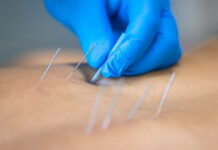
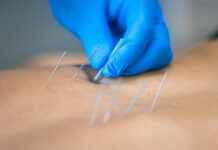
The initial treatment utilized the Horary points KD10 (Water), LU8 (Metal), SP3 (Earth), HT8 (Fire), and LR1 (Wood) on the left side; however, this approach did not produce any improvement. The treatment protocol was subsequently modified to use the alternate Horary points SP9 (Earth), HT4 (Fire), LR3 (Wood), KD2 (Water), and LU11 (Metal), resulting in an approximately 30% reduction in elbow pain.
Although her symptoms fluctuated throughout the course of treatment, she demonstrated progressive improvement with each acupuncture session. Additional Sasang Four Needle protocols were implemented successfully as clinically indicated. After a total of 18 treatments, the patient’s elbow pain had resolved substantially, with most symptoms eliminated.
|
Yin Points in Metal Order for Soeumin2 on Left Side |
|
|
Bisoma Horary |
SP9 earth, HT4 fire, LR3 wood, KD2 water, LU11 metal |
|
Liver Sedate |
LR8 earth, SP9 earth, LR2 water, KD2 water |
|
Heart Tonify |
HT3 earth, SP9 earth, HT8 water, KD2 water |
|
Spleen Tonify |
SP5 fire, HT4 fire, SP3 wood, LR3 wood |
|
Lung Tonify |
LU5 earth, SP9 earth, LU9 wood, LR3 wood |
|
Kidney Sedate |
KD10 earth, SP9 earth, KD3 wood, LR3 wood |
Subsequently, the patient experienced a fall that exacerbated her low back pain and resulted in left leg tingling, bilateral leg pain, and left heel pain. Her medical history was significant for two collapsed lumbar vertebrae, which had previously been managed with physical therapy and core strengthening exercises.
The same acupuncture protocol was repeated, and after 14 treatments, her pain level decreased from 7/10 to 2/10. Following this improvement, the patient continued maintenance acupuncture treatments every two to three weeks to help sustain her functional gains and manage periodic exacerbations of pain.
In 2010, the patient reported experiencing headaches ranging in frequency from three times per week to daily. She was prescribed Xiang Fu Ba Wu Tang for two months in conjunction with repeated acupuncture treatments using the same protocol. Following this course of treatment, her headaches were resolved.
In 2013, the patient began experiencing hot flashes associated with menopause. Acupuncture significantly reduced the frequency and severity of these symptoms. Laboratory testing also revealed an elevated antinuclear antibody (ANA) level, indicating increased systemic inflammation. During this period, acupuncture was also effective in reducing neck pain, low back pain, and heel pain. Additionally, the patient began experiencing knee pain related to osteoarthritis, which also improved with acupuncture treatment. Thereafter, maintenance acupuncture sessions every three to four weeks helped sustain these improvements. Although her pain symptoms fluctuated over time, the overall trend was one of continued improvement.
In 2014, the patient developed acute vertigo while traveling. Her symptoms resolved completely after five acupuncture treatments.
In 2021, the patient was diagnosed with Barrett’s esophagus, a precancerous condition associated with severe gastroesophageal reflux disease (GERD). She was prescribed Wu Zhu Yu Li Zhong Tang for 12 months. A follow-up endoscopy performed after this treatment period no longer demonstrated evidence of Barrett’s esophagus.
In 2023, the patient was diagnosed with hyperthyroidism. Treatment with Gui Zhi Ban Xia Sheng Jiang Tang for eight months was associated with resolution of the condition.
Now at 71 years of age, the patient continues to receive maintenance treatments for the management of aches and pains, incorporating additional acupuncture Yang points that were subsequently found to be beneficial on the right side of her body. It has been gratifying to witness her maintaining a high quality of life throughout retirement, preserving her independence and remaining active through regular travel.
|
Yang Points in Metal Order for Soeumin2 on Right Side |
|
|
Bisoma Horary |
ST36 earth, SI5 earth, GB41 wood, UB66 water, LI1 metal |
|
Gall Bladder Sedate |
GB34 earth, ST36 earth, GB43 water, UB66 water |
|
Small Intestine Tonify |
SI10 earth, ST36 earth, SI2 water, UB66 water |
|
Stomach Tonify |
ST41 fire, SI5 fire, ST44 water, UB66 water |
|
Large Intestine Tonify |
LI11 earth, ST36 earth, LI3 wood, GB41 wood |
|
Urinary Bladder Sedate |
UB40 earth, ST36 earth, UB65 wood, GB41 wood |
The patient demonstrated a reasonable rate of improvement with an appropriate number of treatments. The human body is one of the most complex systems known, with countless factors influencing both the development of disease and the restoration of health. While there are relatively few interventions that effectively promote healing, there are many variables that can disrupt physiological balance and contribute to illness.
When a patient experiences meaningful improvement, it suggests that the clinician has identified an effective treatment approach. Repeated positive responses to the same treatment further help determine the extent to which that intervention can support and advance the patient’s health and recovery.