









Standing Dizziness, Cold Sensitivity, and Deficient Cold – Decoded
By Dianiel Cho, L.Ac. (email: c0454445@gmail.com)
*Ling Gui Zhu Gan Tang: Frequency of clinical use: High-Middle 6+++++, Fu Ling 8, Gui Zhi 6, Zhu 6, Gan Cao 4 ×2~3.
Ling Gui Zhu Gan Tang is the most frequently used formula among the Ling Gui Gan formula group. In many ways, it can be considered the practical basic formula of the group. It shares the core presentation of the hypothetical formula Ling Gui Gan Tang, with the addition of Zhu.
Ling Gui Zhu Gan Tang is composed of Ling Gui Gan Tang + Zhu.
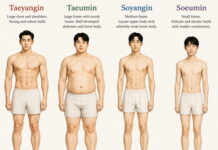
Patients fitting Ling Gui Gan Tang are generally inclined toward Deficient Cold types. They tend to be more emaciated than obese, with weak stamina, pale complexion, Yin-type personality, aversion to cold, coldness of the limbs, and insomnia with difficulty falling asleep. The addition of Zhu becomes important when symptoms such as urinary problems, standing dizziness, abnormal sensations in the face and head (冒), or edema are present.
The prescription criteria of Ling Gui Zhu Gan Tang are therefore based on Ling Gui Gan Tang, while adding the distinguishing symptoms related to Zhu. CAPE signs are also similar to Ling Gui Gan Tang. Patients are generally Yin-natured and resemble Gui Zhi Tang types. Their body type ranges from underweight to normal, with weak stamina, pale or yellowish complexion, and emotionally sensitive personalities. Worry, tension, anxiety, and sensitivity are commonly observed. Because of the added Zhu, however, the body-type range tends to be broader than in Gui Zhi Tang alone.
The main physical symptoms include aversion to cold, coldness of the limbs, insomnia with difficulty falling asleep, urinary problems, and standing dizziness. Possible accompanying symptoms include upper rush, headaches, chest discomfort centered around palpitations, edema, sensory abnormalities in the head and face (冒), body pain, and indigestion. Motion sickness is also a common tendency.
The symptoms of Ling Gui Zhu Gan Tang are thought to arise from retention of Water Toxin in the upper body due to impaired water metabolism. The balance between intake and output of fluids becomes disturbed, not necessarily because patients drink excessive water, but because fluid output is poor due to urinary dysfunction. For this reason, urinary symptoms are considered important.
Patients often report frequent urination with weak urinary stream, nocturia, or incomplete urination. However, in actual clinical practice, urinary symptoms may sometimes be absent even when the patient clearly fits the Ling Gui Zhu Gan Tang pattern.
Retention of waste water in the upper body produces various symptoms, with stand-up dizziness (眩) being one of the key Main Symptoms – patients commonly report feeling dizzy when standing up, changing posture, or shifting head position.
Sensory abnormalities in the head and face (冒) may also appear as Possible Symptoms, and motion sickness is frequently observed.
The standing dizziness associated with Ling Gui Zhu Gan Tang is thought to result from several overlapping mechanisms:
- Poor balance caused by retention of lymphatic fluid in the head, especially around the vestibular organs (Zhu).
- Reduced cerebral blood flow when standing due to decreased cardiac output, leading to temporary cerebral ischemia (Gui Zhi Gan Cao Tang).
- Poor compensatory regulation of blood pressure during standing due to autonomic dysfunction (Fu Ling).