










Clinical Applications of SP9, ST36, and Key Tung Point Combinations
By Cho, Byung Sik L.Ac
Urinary retention and urinary incontinence are common complaints seen in clinical practice, especially among older adults, patients with benign prostatic hyperplasia (BPH), postpartum women, and those suffering from chronic fatigue or weakness. While the two conditions appear opposite in nature, both are often related to dysfunction of Kidney Qi and impaired regulation of the urinary system.
Urinary Retention (癃閉)
Urinary retention refers to difficulty urinating or the inability to pass urine despite a full bladder. Patients may experience lower abdominal distention, discomfort, or a sensation of incomplete emptying. In traditional East Asian medicine, the condition is often attributed to the failure of Kidney Qi to descend properly.
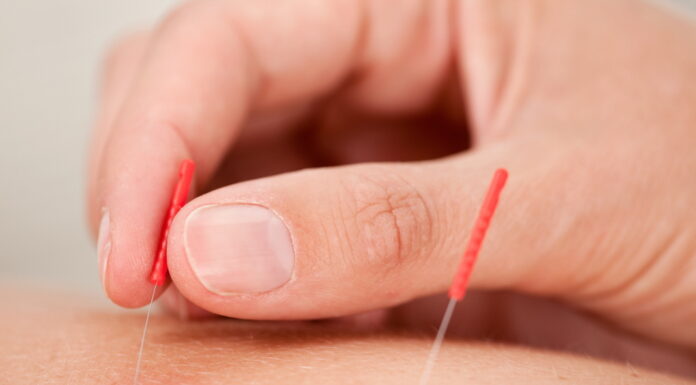
One of the most effective point combinations in Tung’s Acupuncture is Tianhuang (77.17, corresponding to SP9) and Sihuashang (77.08, corresponding to ST36). This combination has shown particularly good results in patients with BPH-related urinary obstruction.
In one memorable case, a patient who had been unable to urinate for more than ten hours due to an enlarged prostate experienced relief shortly after treatment with SP9 and ST36. Clinically, practitioners should avoid removing the needles as soon as the patient feels the urge to urinate. Allowing the needles to remain slightly longer often strengthens the treatment effect and increases the likelihood of successful voiding.
The theoretical basis comes from the Su Wen, which states that when the Qi of an organ fails to descend, treatment may be directed through the controlling element of the Five Element system. Since urinary retention is viewed as a failure of Kidney Qi descending, points on the Earth channels may be used to regulate Water. For this reason, Yinbai (SP1) and Zusanli (ST36) can also be effective. However, many practitioners favor Yinlingquan (SP9) and Zusanli (ST36) because SP9 is well known for promoting water metabolism and resolving dampness, making the combination particularly reliable for restoring urination.
Another valuable point is Shenshu (BL23), the Back-Shu point of the Kidney. BL23 is frequently used for urinary and reproductive disorders, lower back weakness, nocturia, and chronic urinary dysfunction. Classical texts often recommend BL23 together with Mingmen (DU4) for patients who experience frequent urination or age-related decline in urinary control.
Additional Tung point combinations include the Lower Three Emperors—Tianhuang (77.17), Dihuang (77.19), and Renhuang (77.21)—as well as Jianzhong (44.06), Yunbai (44.11), and Xiagu (44.15), which may be considered in chronic or difficult cases.
Urinary Incontinence (尿失禁)
Urinary incontinence refers to involuntary leakage of urine, poor bladder control, frequent urination, or dribbling. These symptoms are commonly associated with Kidney deficiency, Spleen Qi deficiency, or weakness of the pelvic floor and bladder function.
A commonly used Tung combination consists of Zhongbai (22.06), Xiabai (22.07), and Wanshun I and II (22.08, 22.09). These points are particularly useful when symptoms worsen with fatigue or physical exhaustion.
Additional support can be obtained through Yinlingquan (SP9), Lougu (SP7), and Sanyinjiao (SP6). This combination is often effective for stress incontinence, nocturnal leakage, frequent urination, postpartum weakness, and chronic bladder control problems. Clinically, many patients report noticeable improvement within the first week of treatment.
Among these points, Sanyinjiao (SP6) deserves special mention. Beyond its role in urinary disorders, SP6 is widely used for digestive complaints, gynecological conditions, fatigue, sexual dysfunction, premature ejaculation, erectile dysfunction, diabetes support, and nervous exhaustion. Its ability to regulate the Spleen, Liver, and Kidney channels makes it one of the most versatile points in acupuncture practice.
Conclusion
For urinary retention, few combinations are as dependable as SP9 and ST36, particularly in cases related to BPH and difficult urination. For urinary incontinence associated with fatigue, weakness, or aging, the combination of Zhongbai, Xiabai, Wanshun I and II, supported by SP9, SP7, and SP6, provides a practical and clinically effective treatment strategy. These prescriptions demonstrate one of the strengths of Tung’s Acupuncture: producing significant results through simple, focused point combinations grounded in both classical theory and clinical experience.