













Actions and Diagnosis
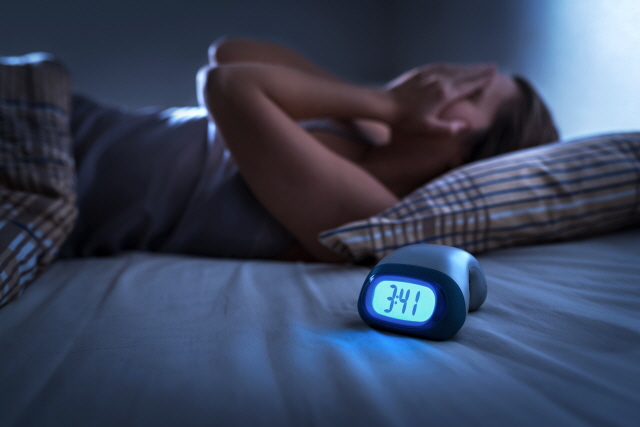
This prescription treats symptoms due to the transformation into heat-syndrome with besieged-phlegm (痰濁) that is caused by weakness and cold of the gall bladder; it restores such symptoms as deficiency-restlessness and insomnia, frequent, astonishing, spontaneous perspiration, dizziness, etc. These symptoms occur after a serious illness is cured, or because the heart and gall bladder become weak and timid[1] due to overwork and stress, that is, because the besieged-phlegm and phlegm-heat disturb the heart.
Here, the term “mental weakness and cold of the gall bladder” was used in “Qianjin-Fang”, a classic book introducing Wendan-Tang, which means that it warms the cold gall bladder and also makes the function of the tense and depressed gall bladder soft and smooth, thus restoring the symptoms of mental weakness and timidity. Although Zhu Ru, one of the constituent drugs of this prescription, has a slightly cold property without warming, it is used to relieve phlegm-heat in the middle energizer, thereby improving mental weakness and timidity.
In this formula, Ban Xia serves as the monarch herb, drying dampness, transforming phlegm, and resolving phlegm-retention caused by deficiency-cold of the heart and gallbladder. It is commonly used to treat symptoms such as vertigo, insomnia, headache, cough, asthma, vomiting, borborygmus, nocturnal emission, and leukorrhea.
Zhu Ru acts as the minister herb, clearing heat, resolving phlegm, relieving irritability, and stopping vomiting. It is often used for fright, palpitations, insomnia, heat-phlegm cough, turbid urine, and fetal restlessness.
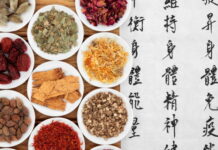
Zhi Shi, Chen Pi, Fu Ling, Sheng Jiang, Da Zao, and Gan Cao function as assistant herbs. Zhi Shi regulates qi, reduces accumulation, and relieves chest fullness and distention. Chen Pi strengthens the spleen, regulates qi, and transforms phlegm. Fu Ling promotes urination, resolves dampness, strengthens the spleen, and calms the mind, helping symptoms such as dizziness, palpitations, insomnia, edema, and anxiety. Sheng Jiang and Da Zao harmonize the stomach and support digestive function, while Gan Cao tonifies qi and harmonizes the actions of the other herbs.
Clinically, Wendan-Tang is often used for patients with neurological and emotional symptoms such as anxiety, insomnia, panic, depression, and easy fright, especially when accompanied by weakness, shortness of breath, and phlegm-dampness patterns. Abdominal diagnosis commonly reveals epigastric fullness and fluid retention due to qi stagnation.
Contents in the Source Text
“If the guan-mai of the left hand shows Yang-deficiency, then it means that a disease occurred in the Foot-Shaoyang channel. So if the patient feels dizzy, numb, can’t move the toes, can’t get up when falling down, and is stiff, has pale vision, no spirit in the eyes, and dizzy symptoms, this is the deficiency-cold of the gallbladder. The inability to sleep due to the deficiency-restlessness after recovering from a big illness is caused by the coldness of the gallbladder, and the Wendan-Tang should be taken.” (“Tian Jin Fang”)
Application
Nervousness, anxiety, restlessness and astonishment, depression, insomnia, nightmares, shortness of breath, dizziness, spontaneous perspiration, etc.
Distinction
Chaihu-Guizhi-Ganjiang-Tang: The symptoms of this prescription are very similar to those of Wendan-Tang, but unlike Wendan-Tang, there is a feeling of fullness and oppression over the chest and hypochondria(胸脇苦滿), FFOCH, abdominal palpitation, and dry mouth symptoms are clearly present. But, in Wendan-Tang, there is no dry mouth, few FFOCH and abdominal palpitations like in Chaihu-Guizhi-Gabjiang-Tabg are not so clearly palpated.
Ingredients
|
Ban Xia |
pungent, warm, toxic |
半夏 |
8g |
|
Chen Pi |
pungent, bitter, warm |
陳皮 |
|
|
Fu Ling |
sweet, bland, mild |
茯苓 |
|
|
Zhi Shi |
bitter, pungent, slightly warm |
枳實 |
|
|
Zhu Ru |
sweet, slightly cold |
竹茹 |
4g |
|
Gan Cao |
sweet, mild |
甘草 |
2g |
|
Sheng Jiang |
pungent, slightly warm |
生薑 |
4g |
|
Da Zao |
sweet, warm |
大棗 |


