










A Clinical Approach to Dizziness, Edema, and Sensory Disturbance
By Daniel Cho, L.Ac.
Composition and Preparation: Frequency of Clinical Use High–Middle 6++++++.
Ling Gui Zhu Gan Tang: Fu Ling 8, Gui Zhi 6, Zhu 6, Gan Cao 4 ×2~3. Boil the four herbs with 6 cheng of water, remove debris, reduce to 3 cheng, divide, warm, and take three times a day.
Formula Analysis
Ling Gui Zhu Gan Tang adds Zhu to Ling Gui Gan Tang and is used in patients showing both patterns.
Fu Ling and Zhu reflect Water Toxin, presenting as urinary problems, dizziness, edema, and body pain. These symptoms are often concentrated in the upper body, especially the head, appearing as dizziness, heavy-headedness, tinnitus, hearing loss, low vision, floaters, elevated eye pressure, and taste abnormalities.
Prescription Criteria (Comparison with Ling Gui Gan Tang)
Ling Gui Gan Tang pattern includes deficient cold types, Yin-natured constitution, emotional sensitivity, and a tendency to worry.
Typical findings include insomnia with difficulty falling asleep, aversion to cold with cold extremities or upper rush, palpitations, and headaches.
With Zhu, indications expand to include postural dizziness, urinary discomfort, edema, head-related sensory abnormalities, and indigestion.
CAPE Signs
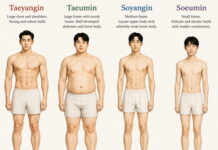
Patients are typically deficient cold, weak, pale, and Yin-oriented. Body type ranges from emaciated to mildly obese, often with lower-body predominance and weak to average stamina.
The complexion is pale or white-yellow, sometimes with red cheeks and a puffy face. Emotionally, patients are worried, sensitive, nervous, and anxious. Personality alone is often insufficient to determine Yin–Yang without considering body type.
Caution in patients with obesity, strong stamina, darker complexion, Yang-type constitution, or stable emotions.
Physical Symptoms
Main symptoms include cold intolerance, insomnia, urinary discomfort, and postural dizziness.
Patients are sensitive to stress, light, and sound, often waking frequently and unable to return to sleep. Urination is frequent but incomplete.
Edema is common, including pitting edema, facial puffiness, swelling, sock marks, tight shoes, and difficulty removing rings. Sensory disturbances in the head—dizziness, tinnitus, visual changes, floaters, and taste abnormalities—are also frequent.
Body pain with cold sensitivity, palpitations, chest discomfort, headaches, and stress-related indigestion may appear. Adding Zhi Shi (Zhi Zhu Tang) can improve indigestion in some cases.
Clinical Tendencies
Patients are prone to motion sickness and reduced appetite under stress. Caffeine often induces palpitations, tremor, and insomnia. Tremor may be observed when raising the arms, and fatigue follows sweating.
Despite multiple complaints, overall symptom severity tends to be low. Epigastric resistance and a weak, sunken, tight, thin, fast pulse are common.
Cautionary Signs
Less suitable for patients with aversion to heat or good sleep.
Ling Gui Zhu Gan Tang represents a clinical pattern centered on water metabolism and upper-body sensory disturbance, and can be applied effectively when properly identified.