

















Written By Jun Heo (許浚, 1539~1615), translated by Namil Kim, Wung Seok Cha et al. Published by Ministry of Health & Welfare (Korea)
01 The Head Is Called the Heavenly Valley That Stores Spirit 頭爲天谷以藏神머리는 천곡이며 신을 간직한다
The valley (谷) is the Valley of the Universe (天谷). The spirit (神) is the body’s original spirit (元神). The Valley of Universe is where harmony dwells and infinity is contained. The valley of the earth is where all creation and all kinds of nature are contained.
A person is like heaven and earth and therefore has a valley in the body. In that valley the true one is kept and original spirit dwells. Thus, there are nine palaces (九宮) in the head that correspond to the nine universes. The first palace in the center is called the Ni Hwan Palace (泥丸宮).
Also, “The spleen (黃庭) is also called Kun Lun (崑崙) or the Valley of the Universe. Although there are many names for it, the names all mean ‘Home to spirit’. Because the spirit dwells in a space that resembles a valley it is called the valley spirit. If the spirit stays one lives, and when it leaves one dies.
The spirit is restless because it meets with exterior objects in the day time and dreams in the night time. In the Inner Classic (內經), it is said, “Because it protects the source spirit (元神) in the Valley of the Universe, one automatically becomes the True Person.” The same is true for the human body. At the top is the Ni Hwan Palace (泥丸宮), the Valley of the Universe, and this is a dwelling place for the spirit. In the center there is the Red Palace, a corresponding valley, and this is where qi dwells. Below that is CV2, and below this is CV4 which is an empty valley, and this is a dwelling place for essence. The Valley of the Universe is a Source Palace and it is home to source spirit and divinity. This is the secret of spirit.”
02 There Are Nine Palaces in the Head 頭有九宮머리의 구궁
① There are nine palaces in the head, and there are nine calyces in the brain. The first is called the Ssang Dan Palace (雙丹宮, Double Violet Essence Palace), the second the Myeong Dang Palace (明堂宮, bright hall palace), the third the Ni Hwan Palace (泥丸宮, mud ball palace), the fourth the Ryu Ju Palace (流珠宮, flowing beads palace), the fifth the Dae Jae Palace (大帝宮, great emperor palace), the sixth the Cheon Jeong Palace (天庭宮, heavenly garden palace), the seventh the Geuk Jin Palace (極眞宮, extreme truth palace), the eighth the Hyeon Dan Palace (玄丹宮, black and red palace), and the ninth the Tae Hwang Palace (太皇宮, great emperor palace). They each have a spirit they are governed by, and such spirits are called the chief wise men of the nine palaces (元首九宮眞人).
② One asked, “Where exactly is the Ni Hwan Palace (泥丸宮)?” So another responded, “There are nine palaces in the head, and the one in the middle is called the Ni Hwan Palace (泥丸宮). The nine palaces are connected to the seven orifices. Of them, the Ni Hwan Palace (泥丸宮) is where the ethereal and corporal souls dwell”.
03 The Brain Is the Sea of Marrow 腦爲髓海뇌는 수해이다
① The brain is the sea of marrow. When the sea of marrow is enriched, the body feels light, strong, and energetic. If the sea of marrow is insufficient, the head experiences dizziness and there is ringing in the ears and a chilling sensation in the shins. The eyes are dizzy and cannot function properly.
② The brain is the sea of marrow and all bone marrow flows into the brain. Thus, the pathway from the brain to the coccyx is the passageway of essence marrow.
③ The marrow fill the bones. When the marrow is damaged, the brain marrow melts away and thus one cannot move as in the case of fatigue syndrome. In the Annotation, it says, “Not being able to move means not being able to walk around.”
④ The brain is the bone that covers the head. It is where GV20 is located.
04 The Size of the Head 頭部度數 머리의 치수
① The diameter of the skull is 2.6 ja.
② The distance from the anterior headline, the anterior hairline, to the posterior headline, the posterior hairline, is 1.2 ja. The distance from anterior headline to the chin is 1 ja.
③ The width of SI4 behind the ears is 9 chon, and the width of TE21 anterior to the ears is 1.3ja.
05 External Signs of Head Diseases 頭病外候 머리병의 증상
① The head is where intelligence is stored. Tilting of the head and deepening of the eyes indicate the mind is about to be lost.
② There are two types of inabilities to hold the head up due to Cold Damage. The first type is when a greater yang syndrome is severe and another is when there is a yin-yang transmission syndrome. These are all critical syndromes.
③ The head shakes when the yang meridian is disharmonious due to Cold Damage when the supply of qi to the heart is obstructed and when Wind pathogens are exuberant due to tetanus syndrome. These are all critical symptoms.
④ Shaking the head because of pain in the head is also a critical symptom.
06 Diagnosis by Pulse Taking 脈法 맥법
① When the head and eyes are diseased, the patient is bound to die if the pulse is tense, short, irregular.
② In the case of a headache, it can be cured easily if the pulse is floating and slippery. It is obstinate, however, if the pulse is short and uneven.
③ In the case of a headache accompanied by a short and rough pulse, the patient dies. If the pulse is floating and slippery, it indicates the presence of wind-phlegm and thus can be easily dissipated.
④ If the yang-natured pulse is string-like, then there is most certainly a headache.
⑤ If the liver pulse is excessively large, then there is most certainly dizziness and thus calls for prevention beforehand.
⑥ If the wrist pulse is short, there is a headache.
⑦ When the wrist pulse is tight and tense, floating, short, or string-like, there is a headache.
⑧ When there is a headache, the yang-natured pulse is string-like. If the pulse is floating, it is the Wind; if the pulse is tight, it is the Cold. In the case of a headache due to Wind-Heat, the pulse is surging and rapid and a dampness-type headache shows a fine and forceful pulse. In the case of a qi deficiency headache, the pulse is string-like yet uneven. A phlegm syncope headache is accompanied by a slippery pulse, and a headache due to disorders of the kidneys is accompanied by a forceful and replete.
⑨ When there are congested liquids due to wind, cold, summer heat, dampness or qi stagnation, or when there is lower deficiency and upper excesss it leads to dizziness. Wind is floating and Cold is tight, Dampness is fine and Summer heat is deficient. Congested liquids are string-like and slippery. When there is a deficiency, there is no dizziness.
⑩ If there is a headache due to disorders of the kidneys, the pulse feels string-like when pressed down gently, and forceful when pressed down firmly.
⑪ When there is a headache and the left pulse is rapid (數), there is Heat. When the pulse is rough there is blood stasis. If the right pulse is replete, there is phlegm accumulation, and if it is large (大), the disease is chronic.
07 Head Wind Syndromes 頭風證두풍증
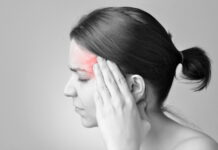
① Symptoms of head wind are as follow. If one usually has phlegm-fluid retention, exposed to cold directly after washing and combing the hair, or is exposed to cold for a long period of time, pathogenic Wind enters the brain and the nape causing paralysis in the ears, eyes, mouth, nose, and the eyebrow bone area, causing numbness in some areas. Also, the head feels heavy or dizzy and the scalp stiffens, but the patient does not recognize this. The sense of taste becomes paralyzed and thus one cannot differentiate tastes. The person becomes deaf or experiences pain in the eyes, or the eyebrow bone area feels stretched out and painful. Also, the olfactory senses become hypersensitive making fragrant things smell extremely heavy and stench smell worse. Even yawning stimulates dizziness. If it is a heat syndrome, use Eliminate Wind Powder, and in the case of a cold syndrome use Remove Wind Powder, Chuanxiong and Tea Regulating Powder, Dispel Wind and Unblock qi Powder.
② When there is a head wind, there is a stuffy sensation, pain, and the patient wants to wrap the head with a towel. This is caused by heat stagnation. Add Scutellariae Radix (黃芩) (processed with alcohol), Schizonepetae Spica (荊芥), Cnidii Rhizoma (川芎), Menthae Herba (薄荷), Gypsum Fibrosum (石膏), Asiasari Radix et Rhizoma (細辛) to a Syzygii Flos Relieve Stomach Decoction or use Multi-Function Eliminate Wind Powder.
③ For head wind, Angelica Root Powder ‧ Fragrant Head Powder ‧ Modified Chuanxiong and Magnolia Flower Decoction ‧ Chrysanthemum and Tea Powder ought to be used.
④ For head wind in women, use a Maintain Blood and Disperse Wind Decoction.
- Eliminate Wind Powder 消風散 소풍산 It treats dizziness, dimmed eyes, stuffy nose, ringing ears, paralyzed skin, and itchiness due to Wind thrusting up. It also treats a swollen and itchy scalp in women caused by blood Wind. Schizonepetae Spica (荊芥), Glycyrrhizae Radix (甘 草) 1 don each, Ginseng Radix (人參), Poria Sclerotium (茯苓) ‧ Batryticatus Bombyx (白殭蠶), Cnidii Rhizoma (川芎), Saposhnikoviae Radix (防風), Agastachis Herba (藿 香), Cicadidae Periostracum (蟬退), Osterici Radix (羌活) 5 pun each, Citrus Unshius Pericarpium (陳皮), Magnoliae Cortex (厚朴) 3 pun each. Slice these drugs to make 1 package, add a handful of Jakseol Tea (Sparrow’s Tongue Tea) to decoct, or powder and add to tea or warm alcohol to drink.
- Remove Wind Powder 追風散 추풍산 It treats head wind migraines ‧ overall head wind or urticaria (遊風) on the face that cause itchiness on the skin resembling the sensation of bugs crawling over the skin. Aconiti Tuber (川烏) (baked wrapped in wet paper), Gypsum Fibrosum (石膏) (heated), Batryticatus Bombyx (白殭蠶) (roasted), Cnidii Rhizoma (川 芎), Saposhnikoviae Radix (防風), Schizonepetae Spica (荊芥), Glycyrrhizae Radix (甘草) 5 don each, Arisaematis Rhizoma (南星) (baked wrapped in wet paper), Aconiti Koreani Tuber (白附子) (baked wrapped in wet paper), Osterici Radix (羌活), Gastrodiae Rhizoma (天麻), Scorpio (全蝎), Lumbricus (蚯蚓), Angelicae Dahuricae Radix (白芷), 2.5 don each, and Aconiti Ciliare Tuber (草烏) (baked wrapped in wet paper), Myrrha (沒藥), Olibanum (乳香), Realgar (雄黃) 1.25 don each. Grind these drugs and mix into tea or warm alcohol 0.5 don at a time.
- Angelica Root Powder 白芷散 백지산 It treats various Wind syndromes in the head and face or dizziness due to Wind (風眩). Grind Angelicae Dahuricae Radix (白芷) soaked in white radish juice and dried in the sun, add to boiling water, and take 2 don at a time after meals.
- Fragrant Head Powder 天香散 천향산 It treats old and new head wind. The symptoms include numbness and unbearable itchiness due to numbness of the skin (頑痺), bruises or boils, and vomiting and the inability to swallow due to phlegm stagnation. Take this twice to eradicate the disease. Arisaematis Rhizoma (南星), Pinelliae Tuber (半夏) (both washed together in boiling water 7 times), Aconiti Tuber (川烏) (raw), Angelicae Dahuricae Radix (白芷) 1 don each. Slice these drugs to make 1 package, decoct in water, and add half a cup of Zingiberis Rhizoma Crudus (生薑) juice. When there are mass tumors (腫塊) on the head, it is effective to perform acupuncture treatment.
- Modified Chuanxiong and Magnolia Flower Decoction 加減芎辛湯 가감궁신탕 It treats head wind that attacks the eyes. Cnidii Rhizoma (川芎), Asiasari Radix et Rhizoma (細辛), Angelicae Dahuricae Radix (白芷), Gypsum Fibrosum (石膏), Angelicae Tenuissimae Radix (藁本), Gleditsiae Spina (皂角), Osterici Radix (羌活), Saposhnikoviae Radix (防風), Schizonepetae Spica (荊芥), Platycodonis Radix (桔梗), Viticis Fructus (蔓荊子), Chrysanthemi Flos (甘菊花), Menthae Herba (薄荷), Glycyrrhizae Radix (甘草) 5 pun each. Slice these drugs to make 1 package and decoct in water to drink.
- Chrysanthemum and Tea Powder 菊花茶調散 국화다조산 It treats stuffiness in the nose due to head wind, migraines and overall headaches. Chrysanthemi Flos (甘菊花), Cnidii Rhizoma (川芎), Schizonepetae Spica (荊芥), Osterici Radix (羌活), Angelicae Dahuricae Radix (白芷), Glycyrrhizae Radix (甘草) 1 nyang each, Saposhnikoviae Radix (防風) 7.5 don, Asiasari Radix et Rhizoma (細辛) 5 don, and Cicadidae Periostracum (蟬退), Batryticatus Bombyx (白 殭蠶), Menthae Herba (薄荷) 2.5 don each. Finely grind these drugs and add to tea 2 don at a time to drink after meals.
- Maintain Blood and Disperse Wind Decoction 養血祛風湯 양혈거풍탕 It treats head wind syndrome in women. About half of the patients diagnosed with head wind syndrome experience dizziness like that experienced during motion sickness. It is because Wind has penetrated the inside due to a deficiency in the liver. Angelica Gigantis Radix (當歸), Cnidii Rhizoma (川芎), Rehmanniae Radix Crudus (生地黃), Saposhnikoviae Radix (防風), Schizonepetae Spica (荊芥), Osterici Radix (羌活), Asiasari Radix et Rhizoma (細辛), Angelicae Tenuissimae Radix (藁本), Gypsum Fibrosum (石膏), Viticis Fructus (蔓荊 子), Pinelliae Tuber (半夏), Inulae Flos (旋覆花), Glycyrrhizae Radix (甘草) 5 pun each. Slice these drugs to make one package, add 3 slices of Zingiberis Rhizoma Crudus (生薑) and 2 Zizyphi Fructus (大棗) and decoct in water to drink.