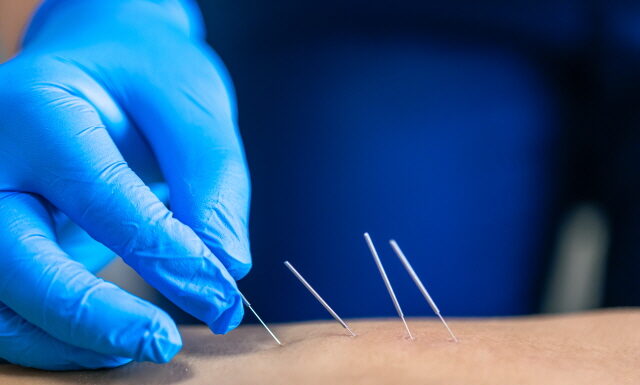










A systematic acupuncture approach using two five-point combinations to simplify treatment, support consistent clinical practice, and address a wide range of conditions.
By David Lee, L.Ac
For centuries, acupuncturists have searched for and refined methods that are quick, effective, repeatable, reliable, and comprehensive. Bisoma Acupuncture has demonstrated this vision through experience with more than 12,000 patients and 150,000 treatments, as well as through its use by numerous acupuncturists.
A large proportion of patients presenting to our clinic seek treatment for common conditions that respond well to Bisoma Acupuncture, such as adverse effects of chemotherapy, headaches, hot flashes and night sweats, joint and musculoskeletal pain, neuropathy, and opioid withdrawal.
Two Five-Point Choices
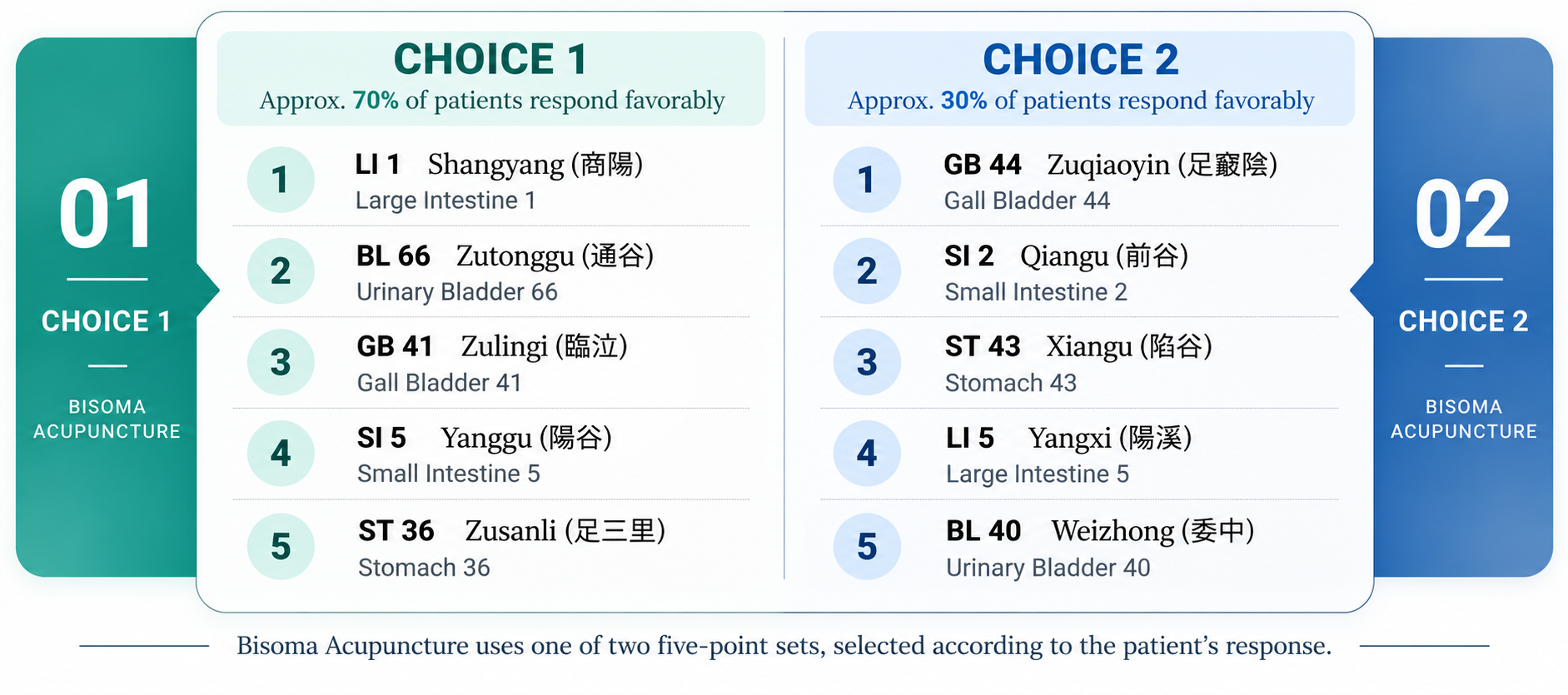
Bisoma Acupuncture uses one of two five-point sets. Based on our clinical experience, approximately 70% of patients respond favorably to Choice 1 and 30% to Choice 2.
These points can be understood as “sweet spots” or “bull’s-eyes” within the acupuncture system—points that function as master switches for the body. Rather than focusing primarily on an individual disease or symptom, they take a person-centered approach. The objective is to stimulate the body’s inherent capacity to identify and regulate its own functional imbalances rather than treating each disease independently.
Each point is considered capable of contributing to a broad range of conditions, while combined stimulation of the five points may produce a more comprehensive therapeutic effect.
Shu-Transporting points can produce rapid and significant changes in symptoms, with some patients experiencing noticeable relief after only one or two treatments.
Because the points are selected according to constitutional characteristics rather than an individual disease diagnosis, the same combination may remain relevant throughout a patient’s life and apply to different health concerns.
Treatment Procedure
The Bisoma Acupuncture method can be applied using the following steps:
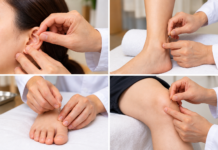
- Select one side of the body. Arbitrarily select either the right or left side. In many cases, treating only one side is sufficient, including for persistent or severe conditions.
- Begin with Choice 1. Needle the five Choice 1 points for up to two treatment sessions.
- Retain the needles for 25–30 minutes.
- If necessary, switch to Choice 2. If the patient does not experience meaningful relief with Choice 1, use the five Choice 2 points on the same side for up to two treatment sessions.
Either Choice 1 or Choice 2 is expected to be appropriate; there does not seem to be a third choice.
Bilateral acupuncture may also be performed. However, each side should first be individually verified as corresponding to either Choice 1 or Choice 2.
One of the greatest challenges for acupuncturists—particularly those beginning or expanding their clinical practice—is developing an approach that is both effective and practical. A system requiring extensive diagnostic procedures and numerous points for every complaint can increase complexity and the time needed to develop clinical proficiency.
Bisoma Acupuncture offers a different approach: a simple, systematic, and repeatable method centered on two five-point choices. By reducing the complexity of point selection while maintaining a broad therapeutic scope, the method may help acupuncturists develop confidence and consistency in clinical practice.