















Clinical Cases: Acupuncture Helps Peripheral Nerve Recovery
By David Lee, L.Ac
Yes, nerve damage can often be repaired or may heal on its own. However, nerve recovery is slow, and complete healing does not always occur. Peripheral nerves can regenerate, but recovery may take many months and sometimes two years or longer.
The extent of recovery depends largely on the location and severity of the injury. Peripheral nerves—those outside the brain and spinal cord—have a much greater capacity to regenerate than nerves within the central nervous system.
If a peripheral nerve is bruised, stretched, or compressed, it may gradually recover as the nerve heals. Even when a nerve is completely severed, surgical repair may be possible by reconnecting the nerve ends. Recovery depends on the type and location of the injury, the distance the nerve must regenerate, and how quickly appropriate treatment is provided.
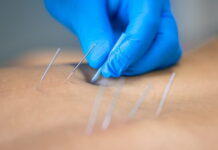
When peripheral nerves are severely damaged or cut, surgical procedures may be used to repair the nerve, while acupuncture may be used as part of supportive care during recovery.
Case 1: Direct Nerve Repair
William, a 61-year-old professional carpenter, accidentally severed the nerve of his left index finger with a power saw three months before beginning acupuncture treatment. The injury was limited to the skin and nerve; the ligaments, tendons, and joints remained intact.
A surgeon performed direct nerve repair, reconnecting the severed nerve ends using microsurgical instruments. Recovery was slow, with significant numbness and limited ability to bend and use the finger.
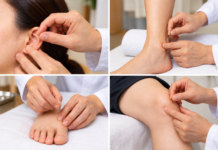
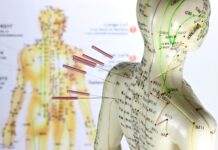
William began Bisoma Acupuncture on the left side using ST36 (Earth), SI6 (Fire), GB41 (Wood), UB66 (Water), and LI1 (Metal). He received treatment twice a week for two weeks and then once weekly, for a total of 10 treatments.
After the first treatment, he reported tingling and increased sensation in the finger. After the third treatment, he was able to grip a bicycle handlebar throughout a one-hour ride, which had previously been difficult.
Sensory recovery progressed faster than his ability to bend the finger, but both continued to improve. By the 10th treatment, William reported approximately 90% improvement in numbness and about 50% recovery of motor function.
Case 2: Nerve Graft
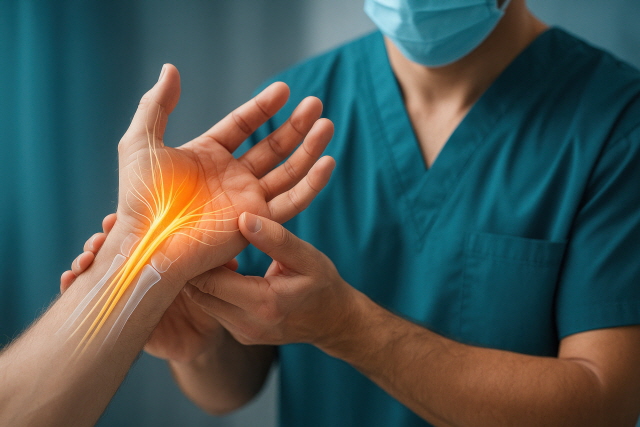
Susan, 43, injured her right wrist when it became caught in a machine at work, destroying a section of the nerve. A nerve graft was performed using healthy nerve tissue to bridge the damaged nerve ends.
Four months after surgery, she continued to experience severe, constant pain and tingling.
She initially received Bisoma Acupuncture on the right side using ST36 (Earth), SI6 (Fire), GB41 (Wood), UB66 (Water), and LI1 (Metal), but experienced no relief. Treatment was then changed to UB40 (Water), LI5 (Metal), ST43 (Earth), SI2 (Fire), and GB44 (Wood), after which she reported an immediate reduction in pain and tingling.
After 12 treatments given twice weekly, Susan reported approximately 80% improvement in discomfort, with hand function close to normal.
Case 3: Possible Leg Amputation
Kevin, a 53-year-old man, had diabetic peripheral neuropathy affecting his lower legs, accompanied by nerve damage, inflammation, infection, poor circulation, and tissue damage associated with chronic high blood sugar. A leg amputation was scheduled for seven months later.
He received Bisoma Acupuncture twice weekly for eight weeks using KD10 (Water), LU8 (Metal), SP3 (Earth), HT8 (Fire), and LR1 (Wood).
After two treatments, he reported improvement in numbness, tingling, and pain. By the end of 16 treatments, he reported approximately 90% symptom relief.
Follow-up testing at UCLA showed that his circulation had improved to near-normal levels, and the planned amputation was suspended. Kevin was able to continue walking with minimal discomfort.


