





















Personalized Herbal Medicine Supports Growth by Addressing Individual Imbalances.
By Winston Lee, L.Ac., Ph.D., KMD
Supporting healthy growth in children with herbal medicine is common in Korea. Parents often visit Korean Medicine clinics because they are concerned about their children’s height, appetite, fatigue, or overall development. However, I believe the key is not to prescribe the same “growth formula” to every child, but to identify individual conditions that may interfere with natural growth.
I recently treated a boy whom I will call HP. Born in 2014, he first visited my clinic on June 21, 2026, at 11 years and 8 months of age. His height was 5 feet 1 inch (154.9 cm). When he returned on October 9, approximately four months later, he measured 5 feet 3 inches (160.0 cm), representing a gain of about 2 inches (5.1 cm).
According to the 2017 Korean National Growth Charts, HP was already taller than average at his first visit, ranking around the 80th percentile. Four months later, his height had reached approximately the 89th percentile.
Naturally, boys between 11 and 13 may experience rapid growth as puberty begins. Therefore, I cannot conclude that herbal medicine alone caused this increase. Nevertheless, the improvements in his overall condition were noteworthy.
During his initial examination, I found unusually tight rectus abdominis muscles, stiffness in his neck and shoulders, and a tense, wiry pulse. His mother also reported that he frequently felt hot. From a Korean Medicine perspective, these findings suggested that simply prescribing strong tonifying herbs might not be appropriate.
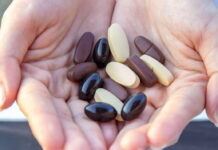
I selected Bai Shao as the chief herb to nourish Blood and help relax muscular tension. Zhi Mu and Huang Bai were added to address the heat pattern. I believed controlling this heat was important before emphasizing tonification.
To support Qi and Blood, I included Huang Qi and Shu Di Huang. Bai Zhu was added to strengthen digestion and help the body process the richer tonic herbs, while Mu Xiang promoted Qi movement and prevented the formula from becoming too heavy. Gan Cao helped harmonize the prescription.
I also incorporated the upper portion of Lu Rong, or deer antler velvet. Traditionally, Lu Rong is used to tonify Kidney Yang, nourish essence and Blood, and support bones and marrow. My intention was to support the child’s natural development rather than force excessive growth. I would not characterize Lu Rong as directly stimulating growth hormone production.
Beyond his increased height, HP’s mother reported that he experienced less fatigue, ate better, and appeared more energetic. These improvements were encouraging because healthy growth depends on adequate nutrition, digestion, sleep, physical activity, and overall vitality.
This case illustrates why height should not be our only treatment goal. When a child is already growing within a healthy range, promising extraordinary height gains would be inappropriate. Instead, we should identify factors that might interfere with normal development.
In pediatric Korean Medicine, two children of the same age and height may require entirely different prescriptions. One may present with weakness and coldness, while another, like HP, may exhibit muscular tension and heat.
My approach is straightforward: do not treat the height alone. Treat the child. By addressing individual imbalances and supporting digestion, energy, Blood, and overall health, we may help create favorable conditions for children to reach their natural growth potential.


