



















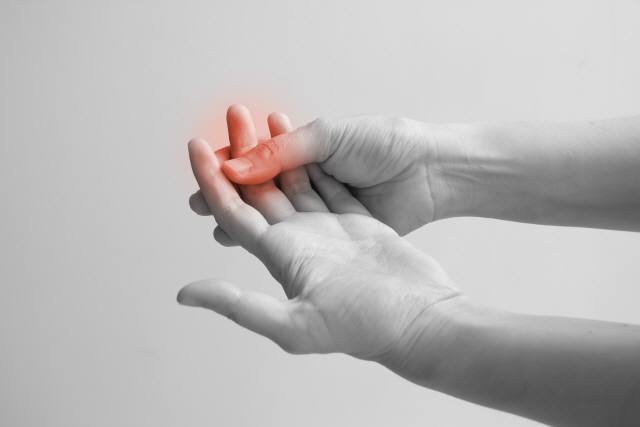
Chemotherapy is one of the most important treatment methods for cancer patients, but it frequently produces a number of difficult side effects. One of the most common complications seen after chemotherapy is peripheral neuropathy, which usually appears as numbness, tingling, burning pain, or reduced sensation in the hands and feet. Many patients describe the feeling as if they are wearing thick gloves or socks. In more severe cases, the discomfort can interfere with daily activities such as walking, holding objects, or even sleeping comfortably. Because these symptoms often worsen as chemotherapy continues, managing neuropathy becomes an important part of maintaining the patient’s quality of life.
From the perspective of Western medicine, chemotherapy-induced peripheral neuropathy occurs because certain chemotherapy agents damage the peripheral nerves. Drugs such as taxanes, platinum-based medications, and vinca alkaloids are well known for causing this condition. Unfortunately, Western medicine currently has limited treatment options for this complication. Physicians may prescribe medications such as gabapentin, duloxetine, or other pain-modulating drugs, but these treatments often provide only partial relief and can add additional side effects. For this reason, many patients turn to acupuncture as a supportive treatment during their cancer therapy.
Clinical Strategy: Circulation, Nerve Stimulation, and Distal Focus
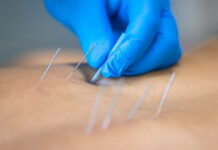
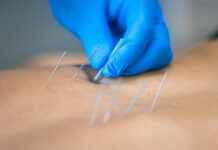
In my clinical experience, acupuncture can be very effective in controlling neuropathic pain caused by chemotherapy. Over the years I have treated a considerable number of patients with this condition, and many of them have shown meaningful improvement through consistent acupuncture care. The treatment strategy focuses primarily on improving circulation and nerve stimulation in the extremities, where the symptoms are most prominent.
One of the core point combinations I frequently use is the Four Gates (Si Guan Xue), which consists of Hegu (LI4) and Taichong (LR3). This classic combination strongly promotes the circulation of qi and blood throughout the body and helps relieve stagnation that contributes to pain and numbness. By opening the body’s major pathways of qi movement, the Four Gates help restore the balance between the upper and lower parts of the body and often provide noticeable relief for patients suffering from neuropathic symptoms.
In addition to these points, I often use Master Tung’s acupuncture points located between the fingers and between the toes, which are particularly effective for stimulating peripheral nerve pathways. Commonly used hand points include Ling Gu (22.05) and Da Bai (22.04), which are widely used in Master Tung’s acupuncture system for pain and neurological disorders. I also frequently use Wu Hu Yi, Wu Hu Er, and Wu Hu San, a group of Tung points located between the fingers that provide strong stimulation to the nerves of the hand. For the feet, Tung points such as Zu Wu Jin located between the toes are useful for addressing numbness and tingling in the lower extremities. Because chemotherapy-induced neuropathy primarily affects the distal nerves of the hands and feet, these points are particularly effective for restoring sensory function.
Another important component of my treatment protocol is the use of electro-acupuncture. After inserting needles into the fingers and toes, I connect selected needles to a mild electrical stimulation device. This gentle electrical stimulation enhances the therapeutic effect of acupuncture by activating peripheral nerve pathways and improving local blood circulation. Electro-acupuncture is especially useful in neuropathy cases because it provides consistent stimulation that helps the nervous system recover its signaling capacity.
Treatment Outcomes: Beyond Pain Control
Treatment frequency is also an important factor in achieving good results. I usually recommend acupuncture two to three times per week during the initial stage of treatment. In many cases, patients begin to notice improvement after approximately two weeks of consistent therapy. As the treatment continues and symptoms improve by about 50 percent or more, the frequency can be reduced to once per week for maintenance care. This gradual adjustment allows continued recovery while preventing the symptoms from returning.
For patients undergoing chemotherapy, pain control is particularly important. Chemotherapy already places significant stress on the gastrointestinal system, liver, and kidneys. Adding additional medications to control neuropathic pain can increase the burden on these organs. In contrast, acupuncture offers a drug-free method of pain management, which can be a significant advantage for cancer patients who are already taking multiple medications.
Another meaningful benefit of acupuncture treatment is psychological support. When neuropathic pain decreases, patients often regain confidence and motivation to continue their chemotherapy treatment. In some cases, patients who were considering stopping chemotherapy because of severe neuropathy decide to continue their cancer therapy once their pain becomes manageable. In this way, acupuncture not only improves quality of life but may also help patients maintain the determination needed to complete their overall cancer treatment.
Through careful treatment planning and consistent therapy, acupuncture can play an important role in improving the comfort and resilience of patients who are fighting cancer. By helping control neuropathic pain without adding further medication burden, we can support both the patient’s quality of life and their ability to continue lifesaving cancer treatment.