








Reconstructing Its Structural Logic for Modern Clinical Application
By Dianiel Cho, L.Ac. (email: c0454445@gmail.com)
A Conceptual Starting Point: Ling Gui Gan Tang
Ling Gui Gan Tang (Fu Ling, Gui Zhi, Gan Cao; 苓桂甘湯: 茯苓 桂枝 甘草)
There is no classical formula formally named Ling Gui Gan Tang consisting solely of Fu Ling, Gui Zhi, and Gan Cao. However, it is clinically useful to assume a hypothetical formula by this name in order to approach the Ling Gui Gan formula group more systematically. In practice, Ling Gui Zhu Gan Tang, Ling Gui Gan Zao Tang, Fu Ling Gan Cao Tang, and Ling Gui Wei Gan Tang are sometimes used compatibly in the same individual.
Formula Analysis
Ling Gui Gan Tang may be understood as a conceptual formula created by adding Fu Ling to Gui Zhi Gan Cao Tang. It serves as the foundational structure for the seven prescriptions within the Ling Gui Gan formula group, all of which share the characteristic symptoms and signs of Ling Gui Gan Tang.
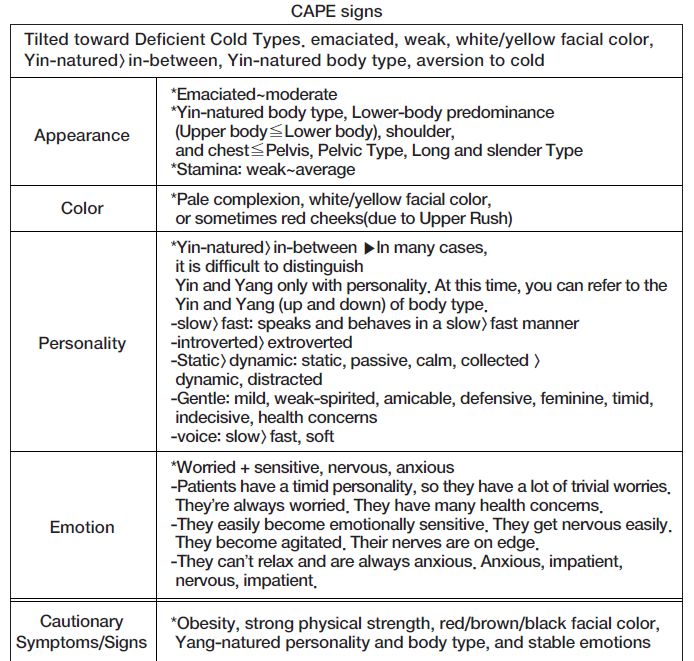
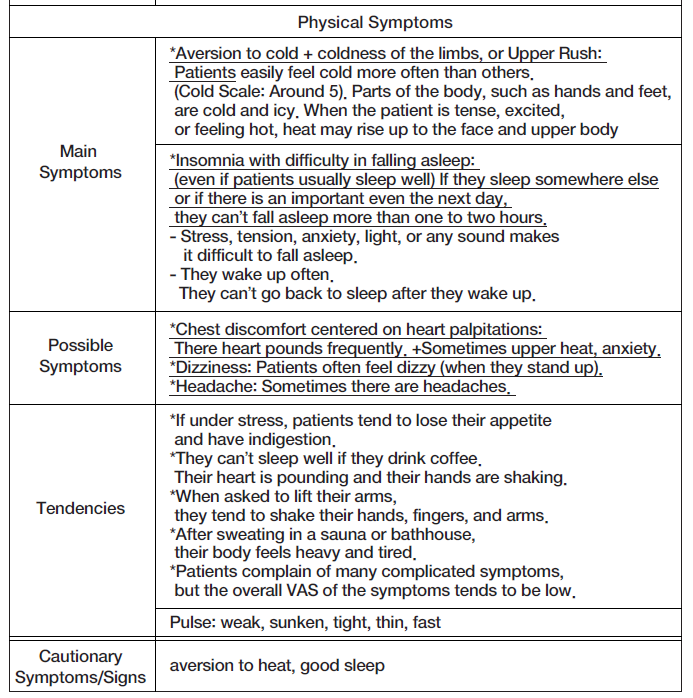
These symptoms include a Yin-oriented personality, insomnia with difficulty falling asleep, aversion to cold with cold extremities, and sometimes Upper Heat, heart palpitations, dizziness, and related manifestations.
The Ling Gui Gan group includes several variations. Ling Gui Zhu Gan Tang adds Bai Zhu. Fu Ling Gan Cao Tang adds Sheng Jiang. Ling Gui Gan Zao Tang adds Da Zao. Ling Gui Wei Gan Tang adds Wu Wei Zi. Wu Ling San contains Fu Ling, Gui Zhi, sometimes Gan Cao, together with Ze Xie, Bai Zhu, and Zhu Ling. Fu Ling Ze Xie Tang adds Ze Xie, Bai Zhu, and Sheng Jiang. Fang Ji Fu Ling Tang combines Fu Ling, Gui Zhi, and Gan Cao with Fang Ji and Huang Qi.
Clinical Approach and Core Pattern
The foundational formula for this group is the hypothetical Ling Gui Gan Tang. Clinically, one first identifies the shared symptoms and signs, then evaluates the guiding herbs, such as Bai Zhu, Sheng Jiang, Da Zao, Wu Wei Zi, combinations of Ze Xie with Bai Zhu and Zhu Ling, Ze Xie with Bai Zhu and Sheng Jiang, or Fang Ji with Huang Qi.
Ling Gui Gan Tang conceptually consists of Gui Zhi Gan Cao Tang with Fu Ling as a principal component. The clinical signs of Fu Ling and Gui Zhi therefore define the formula pattern. Gan Cao plays a harmonizing role, and its distinctive signs are less prominent in practice.
Fu Ling’s main symptoms include a Yin-oriented personality and difficulty falling asleep, while Gui Zhi’s main symptoms include aversion to cold and cold extremities. Possible signs include heart palpitations and dizziness from Fu Ling, as well as Upper Heat and headache from Gui Zhi. Emotional tendencies such as worry, sensitivity, tension, and anxiety may also be present.
Prescription Criteria
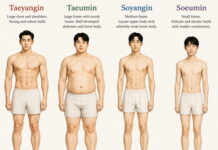
Ling Gui Gan formulas are typically considered in a Deficient Cold presentation. Such individuals may appear emaciated or physically weak, with a pale or whitish-yellow complexion and clear aversion to cold. They are often Yin-natured and emotionally sensitive, with tendencies toward worry, tension, and anxiety.
Insomnia with difficulty falling asleep, cold extremities, aversion to cold, upward rushing sensations, heart palpitations, and dizziness are frequently observed clinical features in this pattern.